

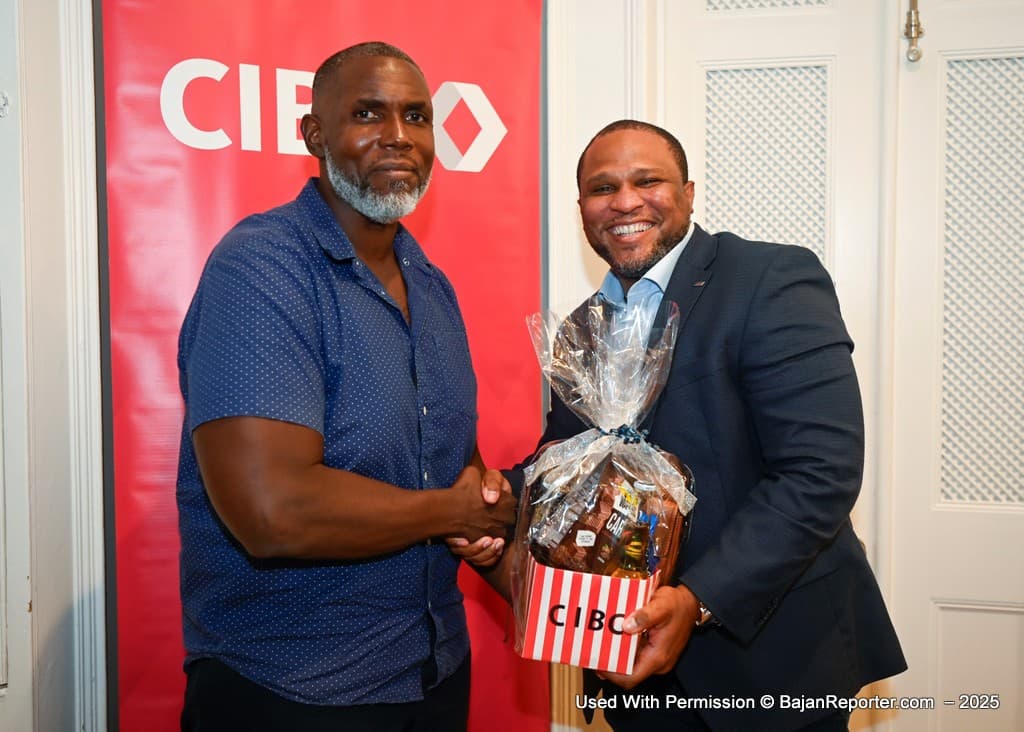

Several opportunities are available for men to apply their skills and talents as mentors of boys approaching adulthood.
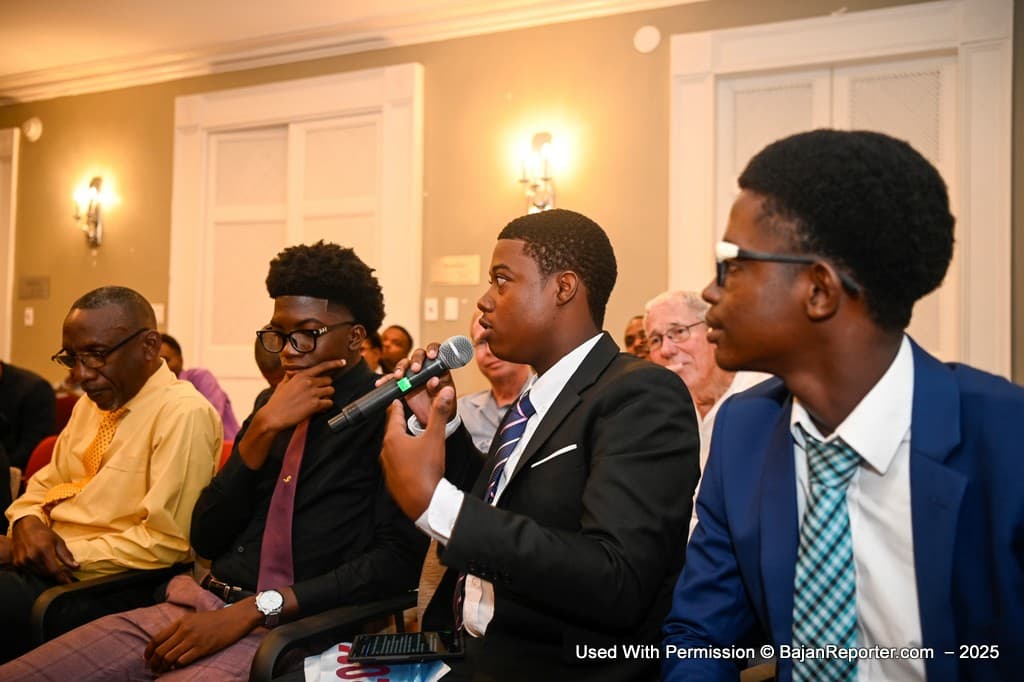
This need was among the conclusions of an International Men’s Day panel discussion hosted recently by CIBC Caribbean, centred around the theme, “From Role Models to Mentors, Men Empowering Boys in a Connected World.” The event brought together professionals and businessmen who shared their insights and experiences.
Traditional issues such as single parent, female-led households, compounded by contemporary challenges such as the influence of online communities, which are gaining increasing popularity among boys, have made the need for mentors even more critical.
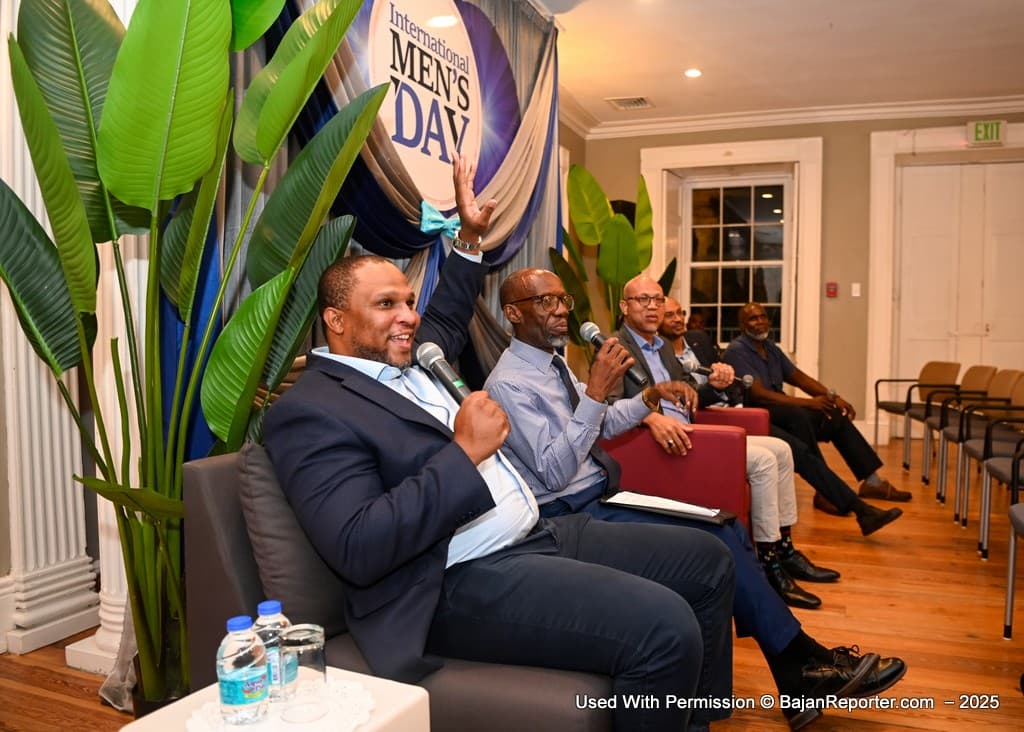
The panellists were Kemar Polius, Head of Country for the bank’s Barbados operations; William Warner, Barbados’ director of the Bureau of Gender Affairs from the Ministry of People Empowerment & Elder Affairs, whose background included coaching youth football and community work; David Small, CIBC Caribbean, director of strategy and economics; and Dwayne Goodridge, an entrepreneur, and owner of Goodridge Holdings.
Setting the stage for the conversation, the bank’s chief financial officer, Carl Lewis said, “In a rapidly evolving digital age boys have access to more information and influences that ever before, while this connectivity brings incredible opportunities, it also poses issues. Therefore,” Lewis said, “It is vital that boys are guided by positive examples; men who not only inspire through their actions, but who are also present as mentors, offering guidance, support and encouragement as boys shape their values and identities.”
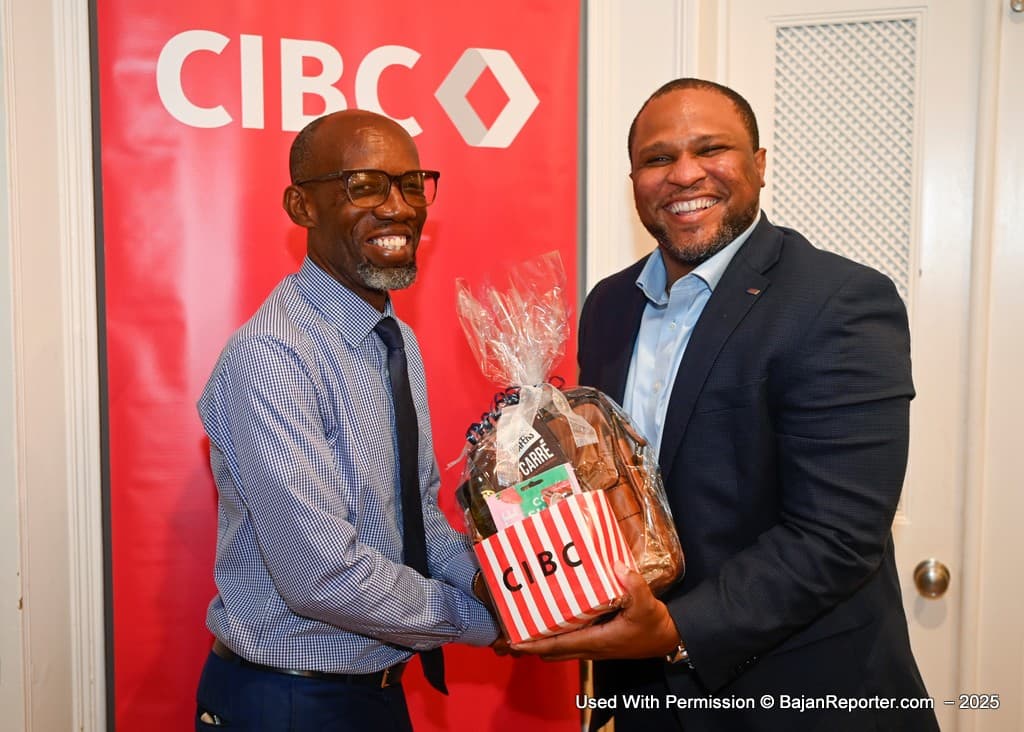
Early in the discussion, the panel established that being a mentor involved more than being a role model. For instance, Small said a role model can be one way a person sees your behaviours and tries to model them while mentorship required interaction. While agreeing with his colleague, Goodridge emphasised that mentorship starts with building a relationship where trust can be developed, while Polius spoke about creating a space where the parties felt comfortable asking questions and seeking guidance.
But how does one get into mentorship? Polius answered that mentorship did not have to be formal and said that some powerful mentorships developed organically. David said that it could start by asking someone a simple question, while Warner emphasized the importance of reaching out and being honest about one’s intentions. But he cautioned that mentorship should be approached with care, avoiding imposing one’s will on others. The panel acknowledged that being a mentor to young boys was not always easy. Challenges that existed included the possibility of having to fight the perception of having bad motives for offering to mentor young men, it involved hard work, commitment, investing time and occasionally money but it paid huge rewards.
Today, an added difficulty is related to the empowering of young people in a connected world. Polius explained that with information so readily available and accessible, boys were faced with discerning legitimate information and credible sources. In addressing the impact of algorithms, Goodridge spoke about the impact of a data-tracking system that presents users with similar or related material, feeding minds with narrow views and online involvement, that led to social isolation.
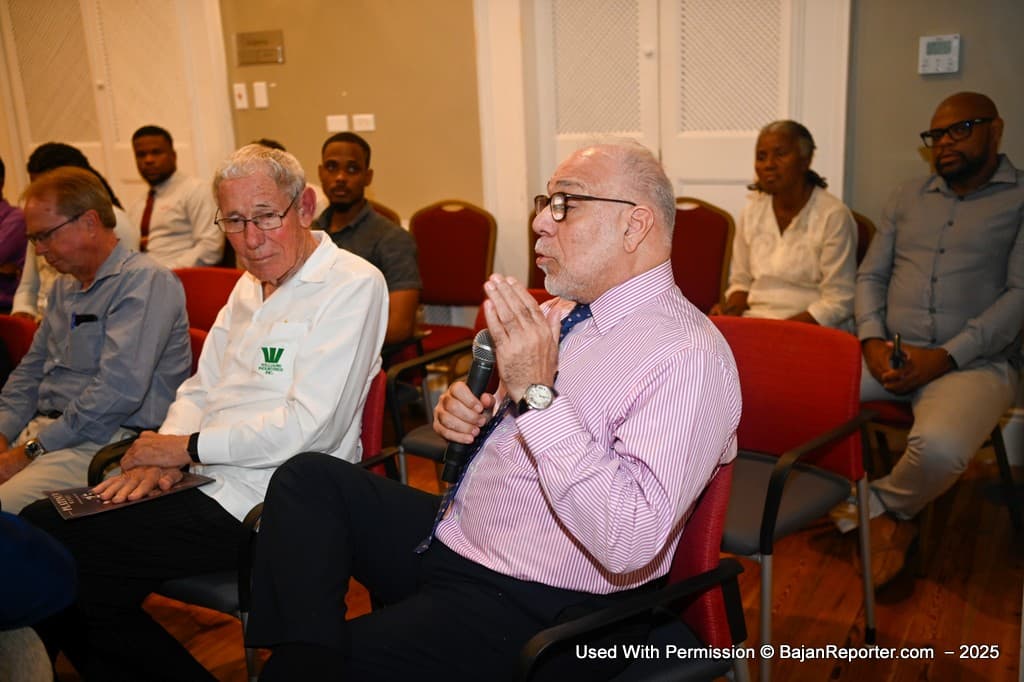
A member of the audience went further, pointing to the manosphere led by people like Andrew Tate with his toxic masculinity and the formation of para social relationships. “Our young men are … listening to Andrew Tate and people on the manosphere, forming relationships with those people and creating their own form of mentorship. That is one of the most insidious aspects.”
Polius said he felt that young people were attracted to the Andrew Taitts of this world because they were trying to define themselves and this was why mentoring was now more important. According to him, the definition of masculinity has changed over the years, from when men went out to work and women stayed at home.
“I think it is for us to help craft that definition for our young people… that’s what the Andrew Tates are doing… and because the information is readily available, people are buying into it, but we cannot afford to cede the space to them.”
Small therefore made a call for men’s involvement, referring to the current trend where organisations like the Boy Scouts now have mainly female leaders. This shifted the talk to common barriers to mentorship, with Polius remarking that today’s society is more individualistic, with people becoming more sceptical of others and that presented a natural barrier. “If someone comes into your space, especially given what’s going on in the country, the reaction is, ‘let me assess you first’. You have to protect yourself but having the mentality” can create a barrier. Time, he said, was also a factor. “We are incredibly busy … carving out the time can be difficult.”
Warner brought up the issue of negative connotations. “People can place a stigma on you,” he said. Goodridge accepted that but also acknowledged the demands of balancing work and family life on time which can be allotted for mentorship. He spoke about the pressure that society might place on you if you have to take a teenager somewhere though it is to engage in a positive activity.
Small termed stigma as one of the major issues, adding that the “fear of being perceived as gay is a big issue” you’re helping “but then you have to defend your reputation against the perception that you are doing something unsavoury.”
Polius said that to overcome those challenges, one had to be brave and stand on your convictions, if your conviction is about giving back and mentoring, standing on that is important.” To those encountering the stigma challenge, Warner’s advice was “trust yourself. Do what is right, if you take on what people say you would never do it.”





Leave a Reply